


The Angel Investor Exodus
Once a deus ex machina ("a near magical solution") for founders, Angel investors are dropping like flies. US Angel investing deal count is down 51%, cumulative Angel investment capital is down 58%, and the average Angel investment deal size has decreased 14% since 2021 when money was plentiful, and we initially warned about the collapse of Angel investing.
Why? Like VCs, the preservation of principal is more important for Angel investors than riskier investments.
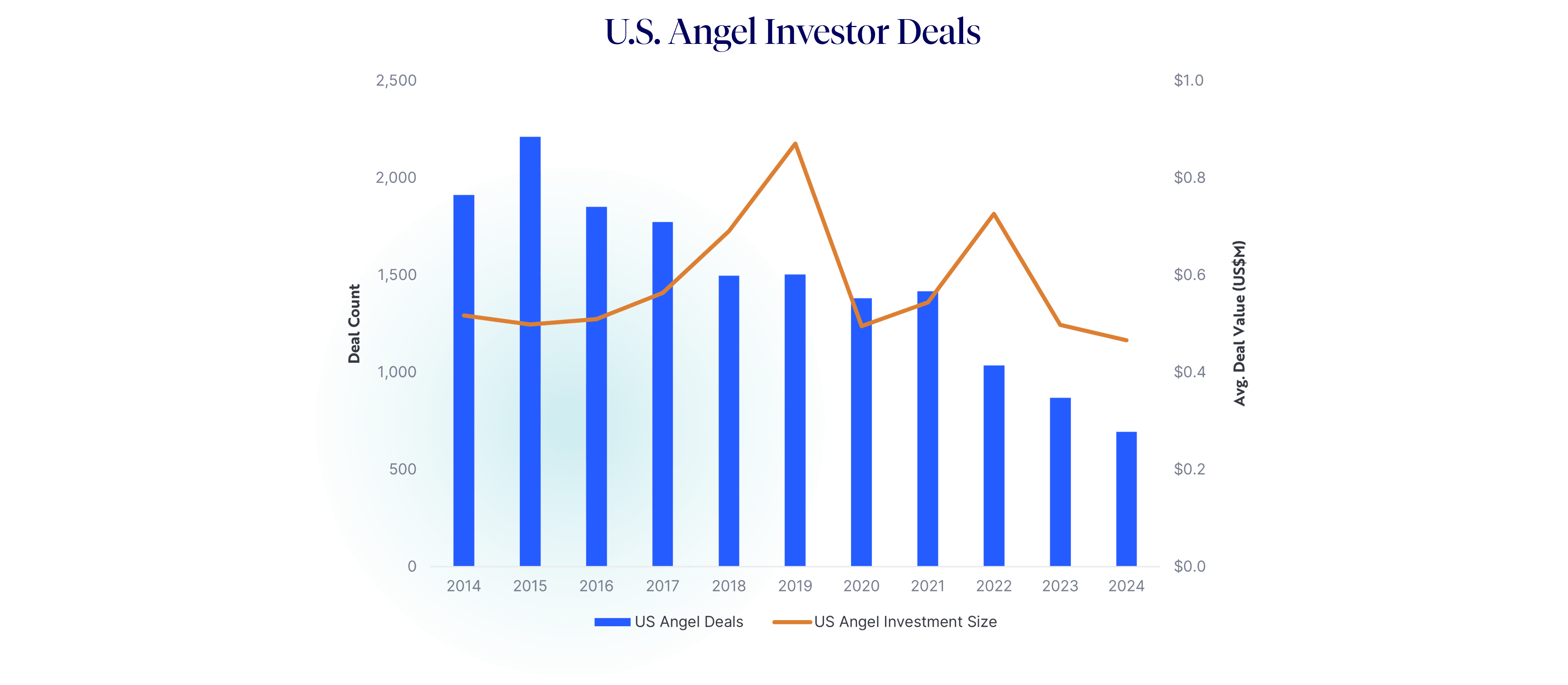
Figure 2 represents the cumulative return of the S&P 500, from 1957 to the time of writing, March 2025. As you can see, despite some of the most severe macroeconomic downturns—financial crises, wars, recessions, terrorism, pandemics—the market has always corrected itself; if an S&P 500 investor was to simply hold their position, they are almost guaranteed to recover from unrealized losses.
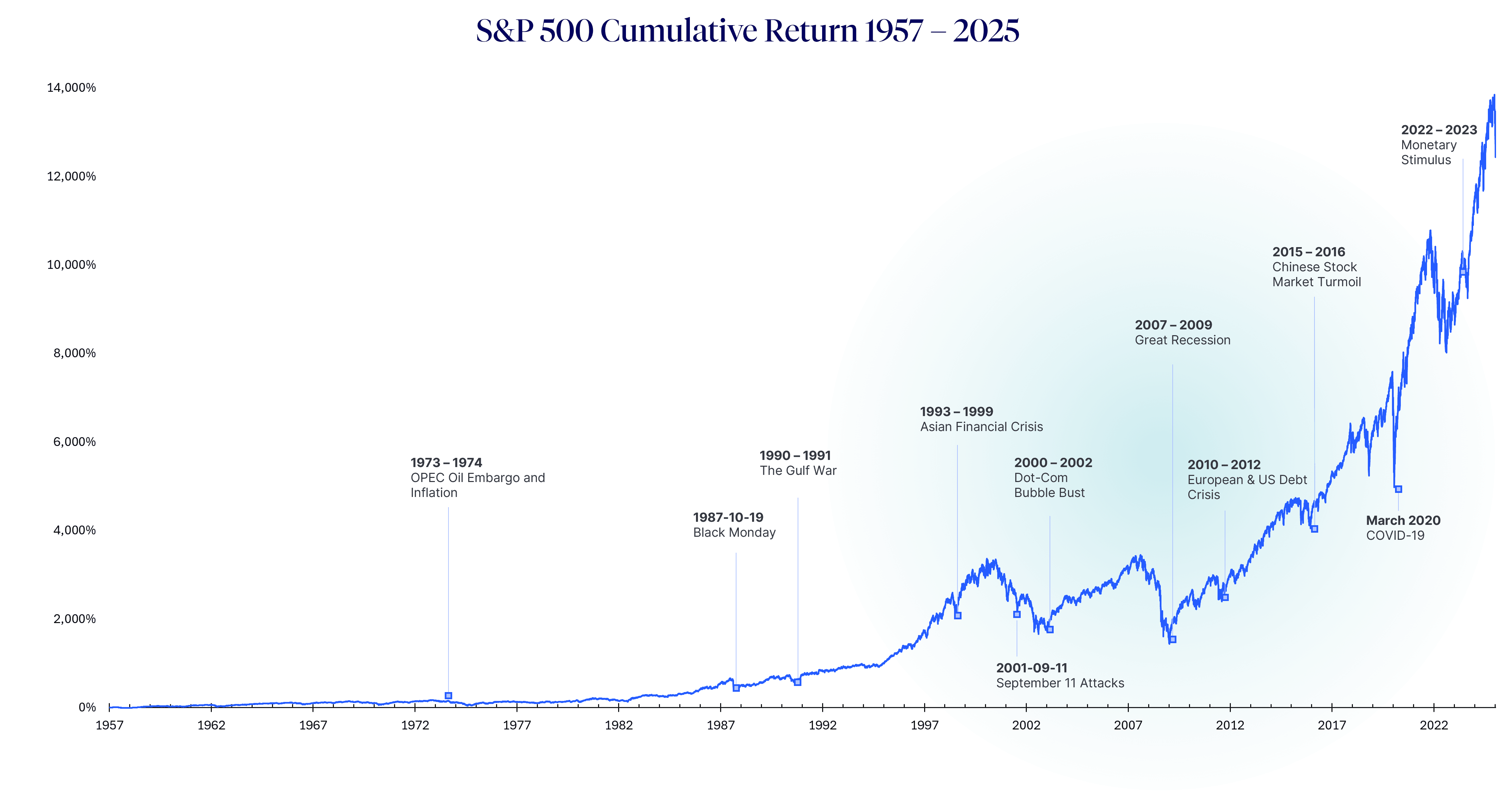
In short, there are more passive, less risky options for investors to make money—so why would they take on the risk of investing in a young, entrepreneurial and (especially) risky company when they are almost guaranteed a return with an asset like the S&P 500?
Without a foreseeable reversal in this trend, it is critical that founders focus on building competency and self-sufficiency.
If risk is the biggest factor behind why Angel investors aren’t putting their money into startups, then the most effective thing a founder can do is to create an evidence-based narrative that demonstrates how your company provides the opportunity to realize both purpose and profit, and help the investor understand why they want to join you on the journey.
While we’re at it, let’s reconsider calling them “Angels”. They are high-net worth individuals and family offices who are in the game to get a return on their investment, not a benevolent force acting as your guardian. Angels are forgiving, the investment world is not.
Get creative on other sources of funds and focus on generating revenue. Self-sufficiency is the key to not only securing investment but staying afloat and bridging it to the next round, which on average is 18 months after an Angel investment.
Once you believe you have something worthy of an investor, take a beat before sending your pitch deck to every investor email address you can find. Avoid wasting their time and your own, and ensure that you are diligently prepared.
Tailwind helps founders to build better businesses with Check6™, a fast, high-impact way to help companies identify strategic financing alternatives, get investment-ready and successfully complete a founder-led raise. Built on insights from hundreds of hours working with high-net-worth investors, family offices, VCs, and PEs, Check6™ gives early- and growth-stage companies a structured, investor-focused approach to capital raising.